Discover the Amazon — interactive learning path

You might be wondering: What is a rainforest?
What are Rainforests?
Click on the box with the right answer.
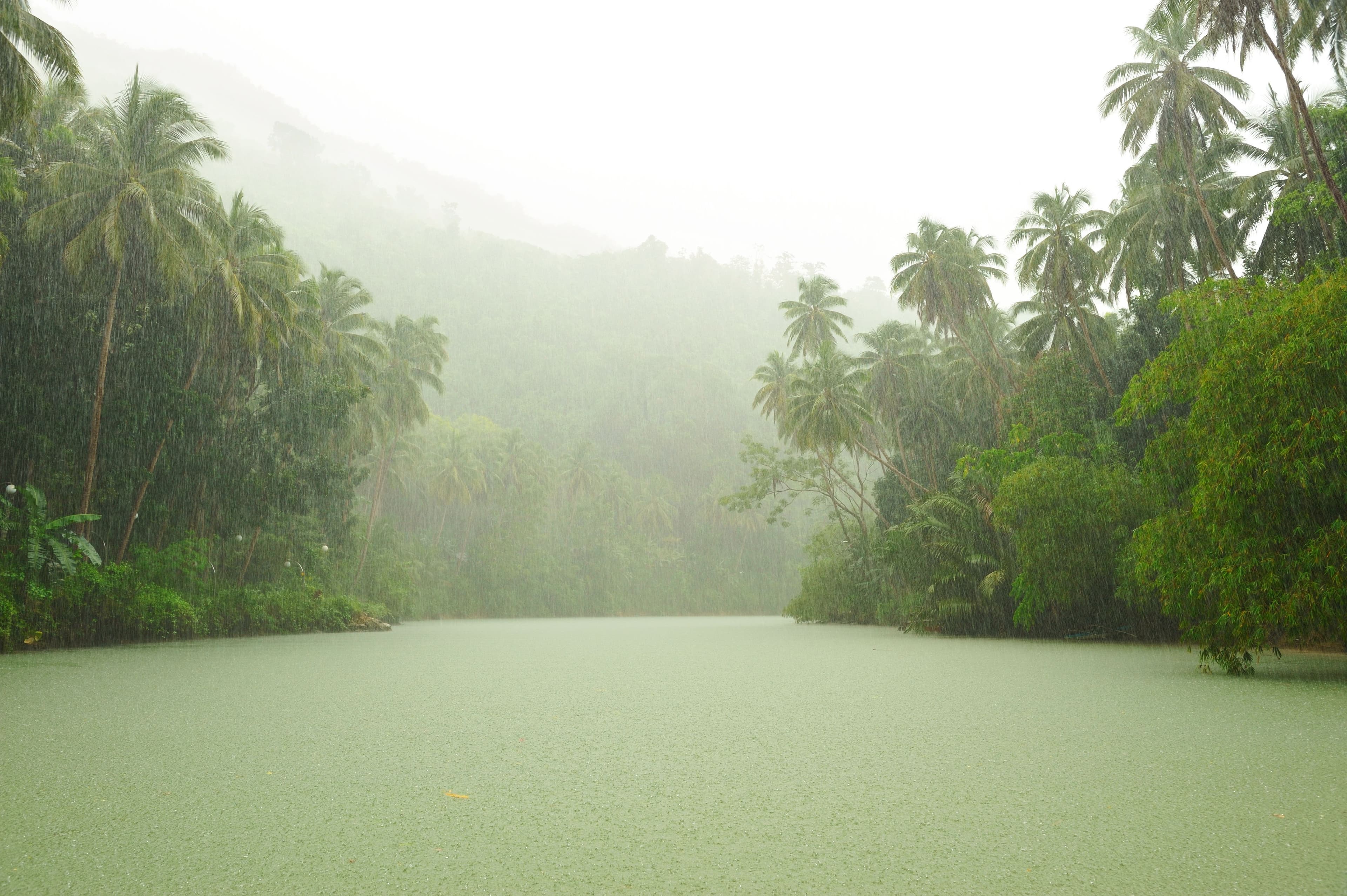
A rainforest is exactly what you’d think!
A very forest biome!
- cold
- dry
- rainy
- sandy
If you see this icon click to flip
Rainforests are full of life. The heavy rainfall helps many different plants and animals grow and thrive.
Click on the box with the right answer.
Thanks to the rain,
rainforests have climates. They stay all year round.
- warm
- wet
- dry
- green
- cold
Rainforest Foundation US (RFUS) works across the Amazon and Central American rainforests.
There are rainforests in different parts of the world. The world's three biggest rainforests are highlighted on the map below!
Here is something to think about:
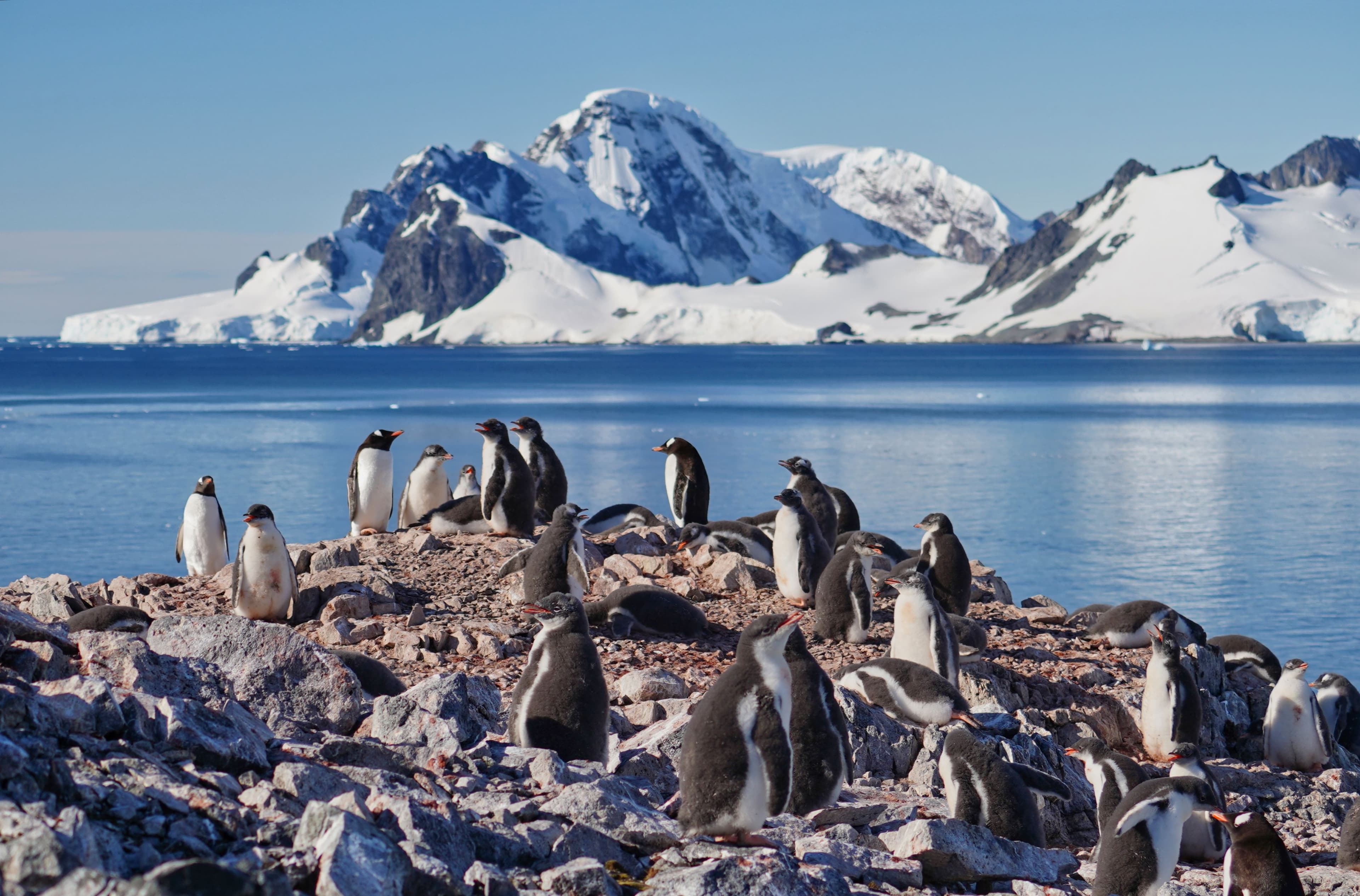
Why do you think there are no rainforests in Antarctica?
To understand why Rainforest Foundation US (RFUS) works in rainforests across Central and South America, and who we work with, we first need to learn more about rainforests, especially the Amazon!
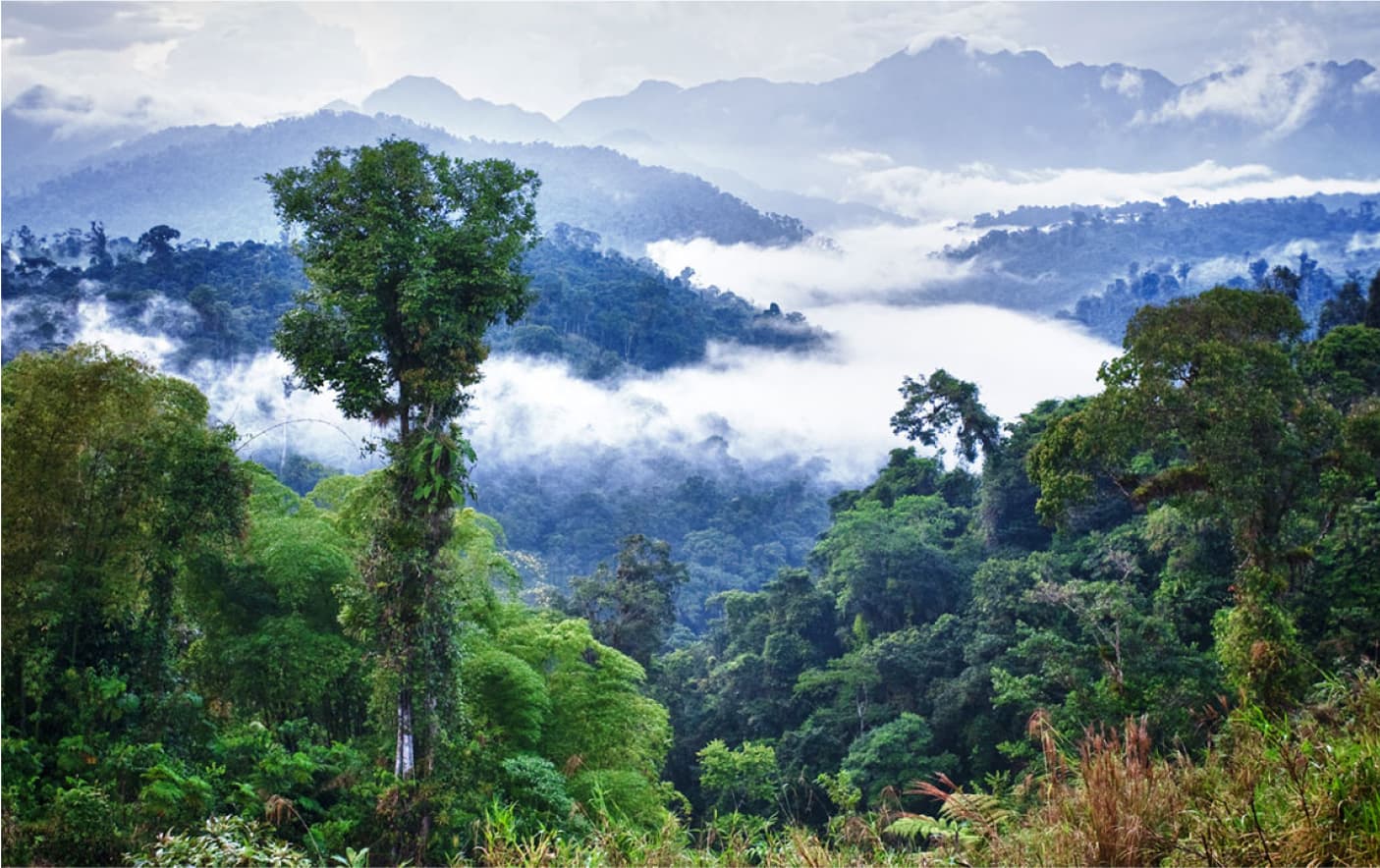
Rainforests are some of the oldest living ecosystems on Earth, where plants, animals, and people all depend on each other.
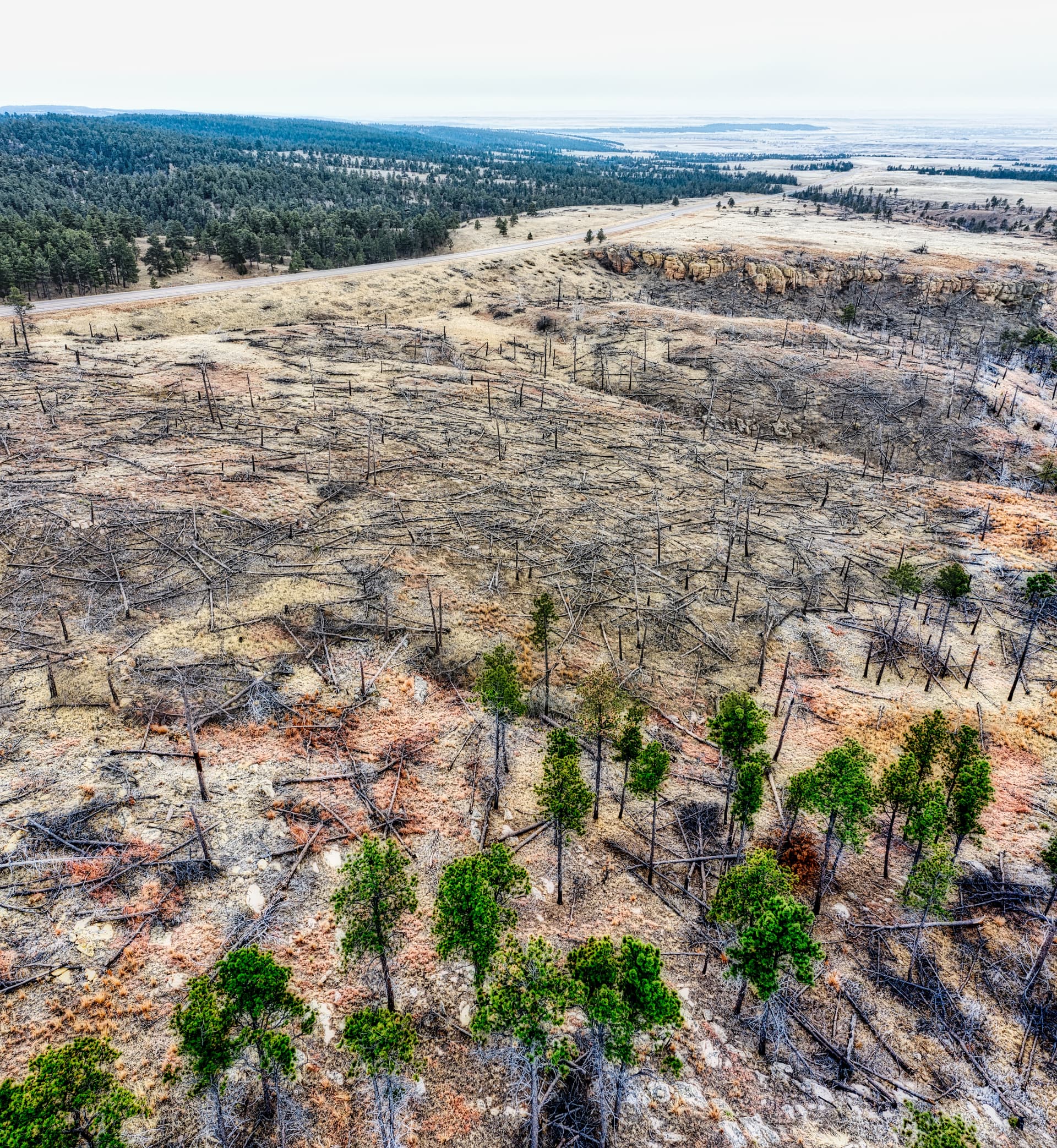
But some humans are destroying rainforests, especially the Amazon!
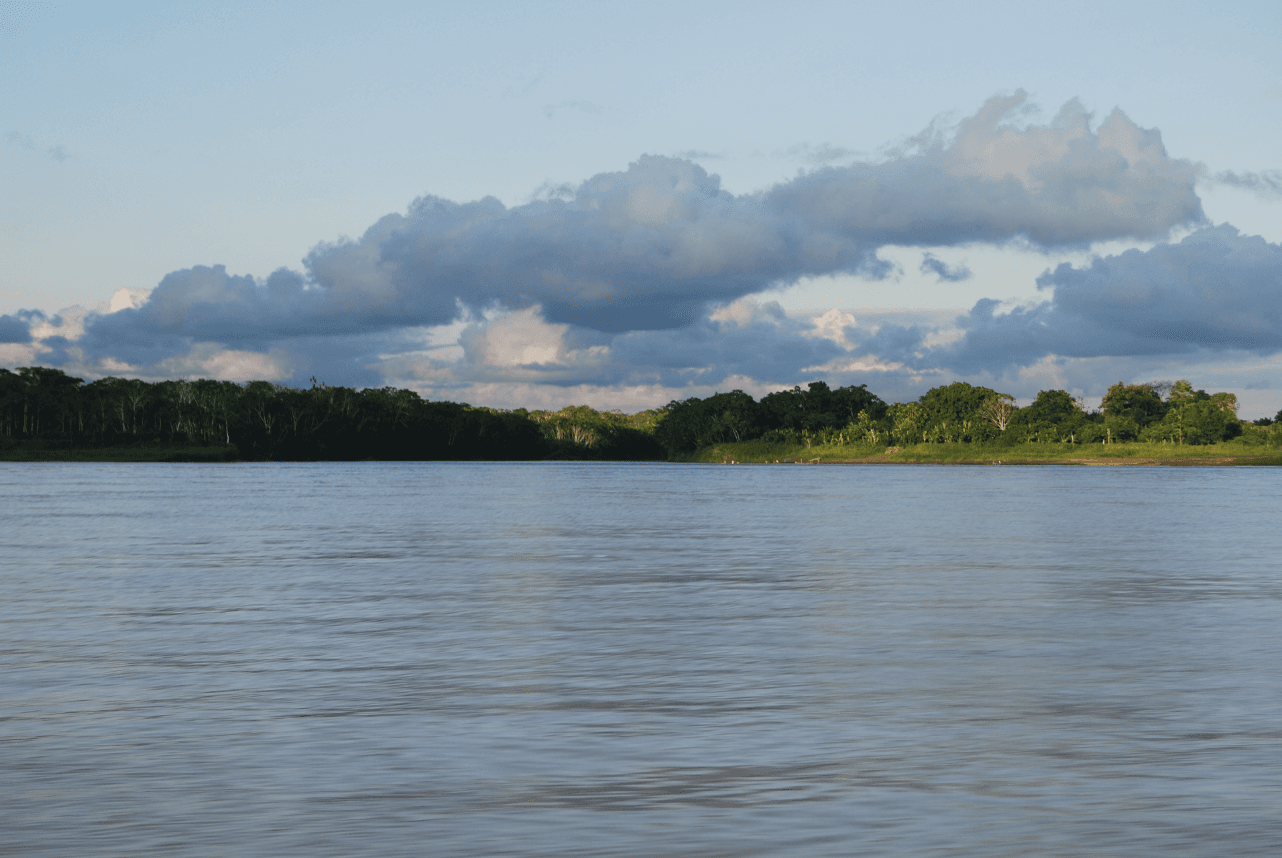
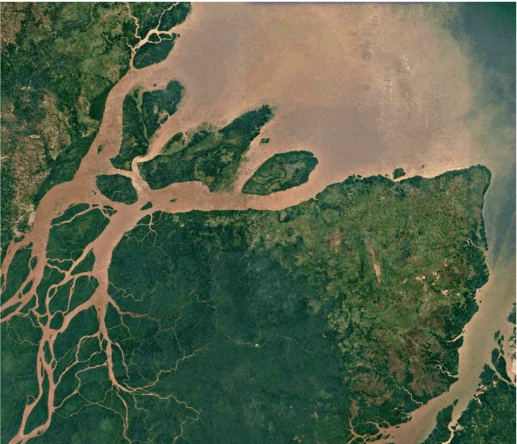
The Amazon is the biggest tropical rainforest in the world! The mighty Amazon River, the largest river on Earth by water flow, runs through it.
The other 7 largest rivers on Earth combined would have less water than the Amazon river.
Check out these other huge rivers! Can you guess where each one is?
The Amazon holds about half of all the rainforests that still exist on our planet.
Wow, the whole United States could fit inside the Amazon!
Can you guess how many countries the Amazon spreads across?
Click on the box with the right answer.
The Amazon spreads
across countries.
- 3
- 5
- 9
Select the countries that have part of the Amazon Rainforest in them.
Now that we know how big my home is, what does life in the Amazon really look like?
Hint: there is more than one right answer!
Which images show the Amazon?
RFUS works with Indigenous peoples across rainforests in Central and South America.
What does the word Indigenous mean to you?
(Something to think about!)
Rainforests are forests that:
There's a lot more to learn...
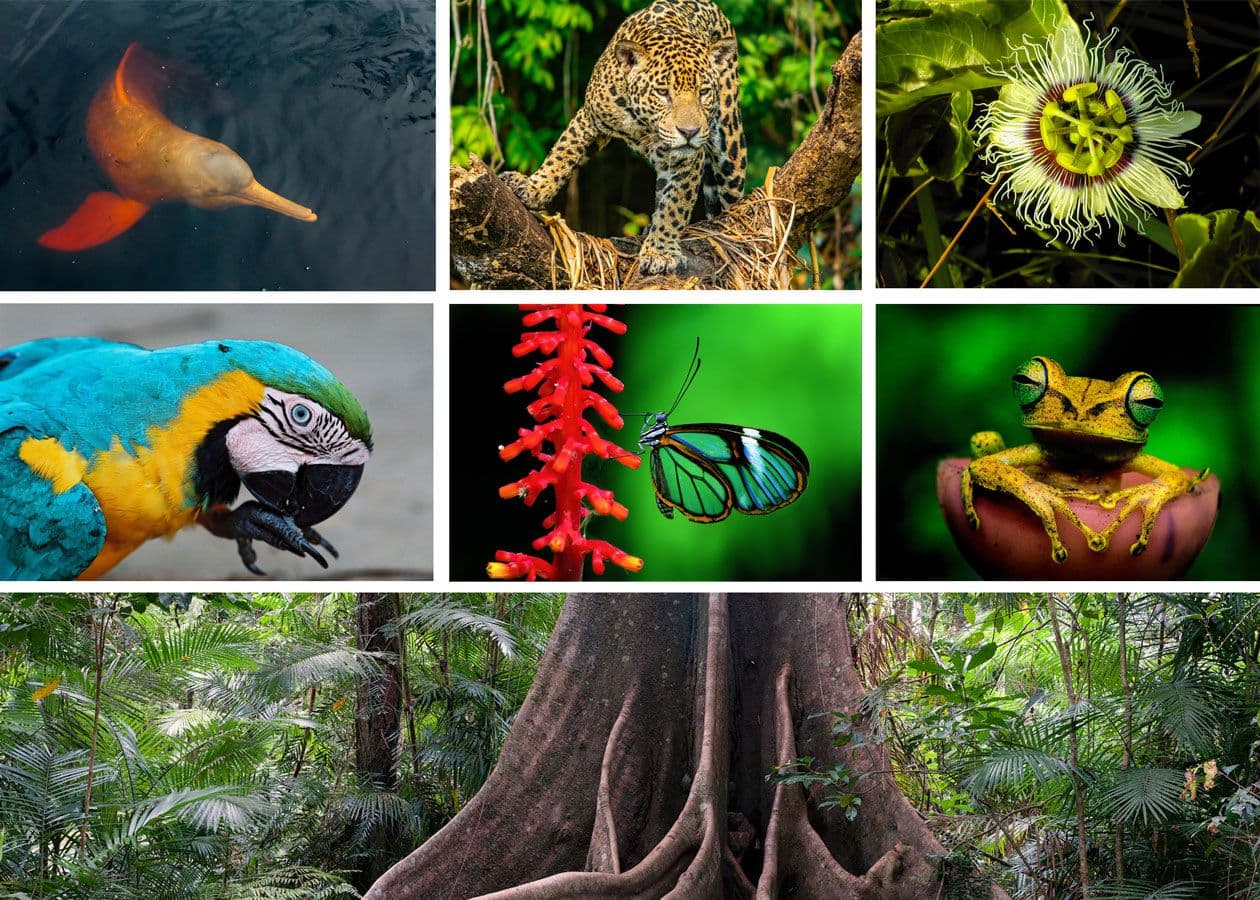
The Amazon is bursting with life—it has more types of plants and animals than anywhere else on our planet!
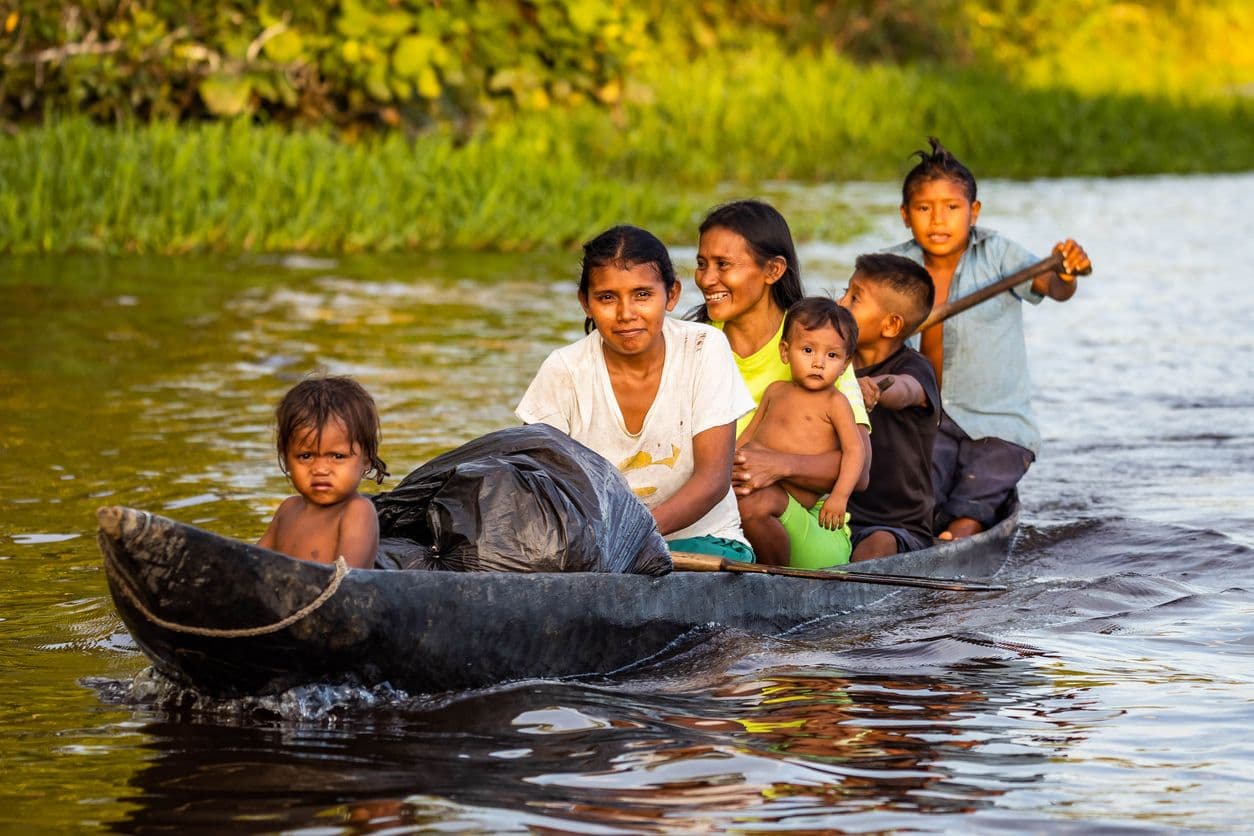
...and the millions of Indigenous peoples that live there protect all this amazing biodiversity!
There are many ways to define the word biodiversity
Biodiversity
(or “biological diversity") ...
…it’s a word that means the variety of life on Earth—the many kinds of plants, animals, fungi, bacteria, and even people, too!
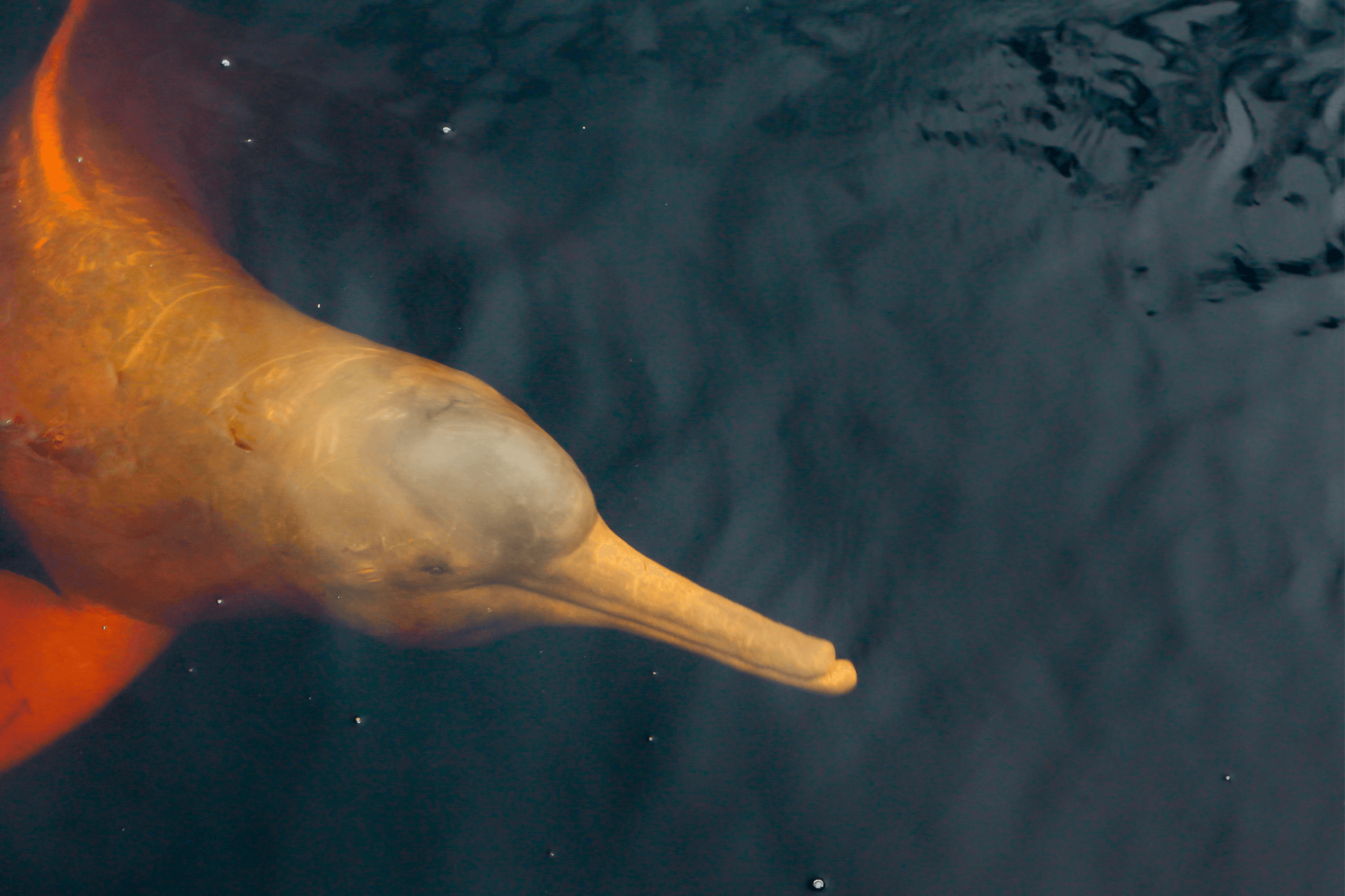
Biodiversity
(or “biological diversity") ...
…it can also mean how all living things in an ecosystem depend on each other, and how each one plays an important role.
Biodiversity
(or “biological diversity") ...
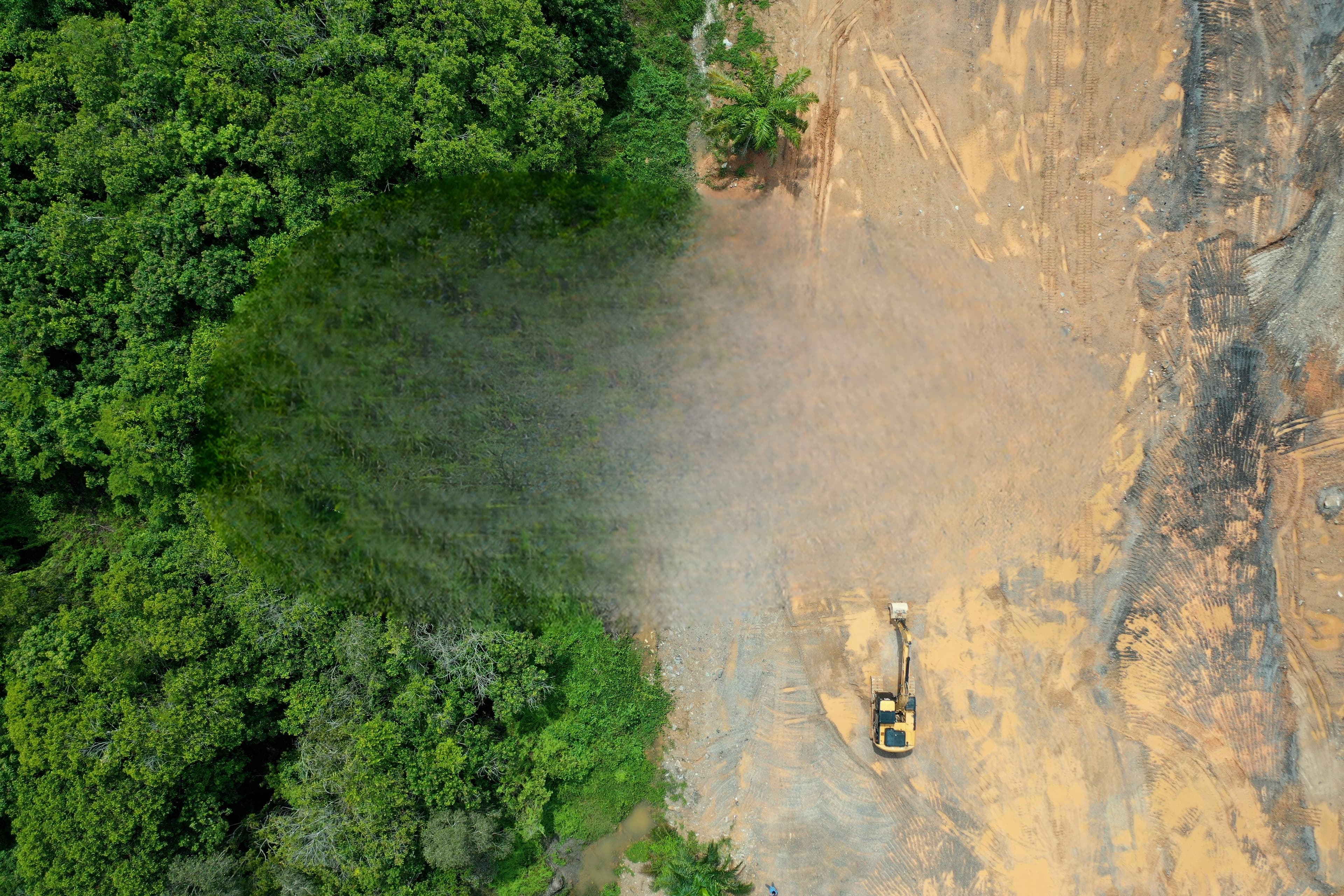
...is threatened by deforestation and climate change. As biodiversity is destroyed by human activities, ecosystems become weaker, and it gets harder for them to recover from damage.
Biodiversity
(or “biological diversity") ...
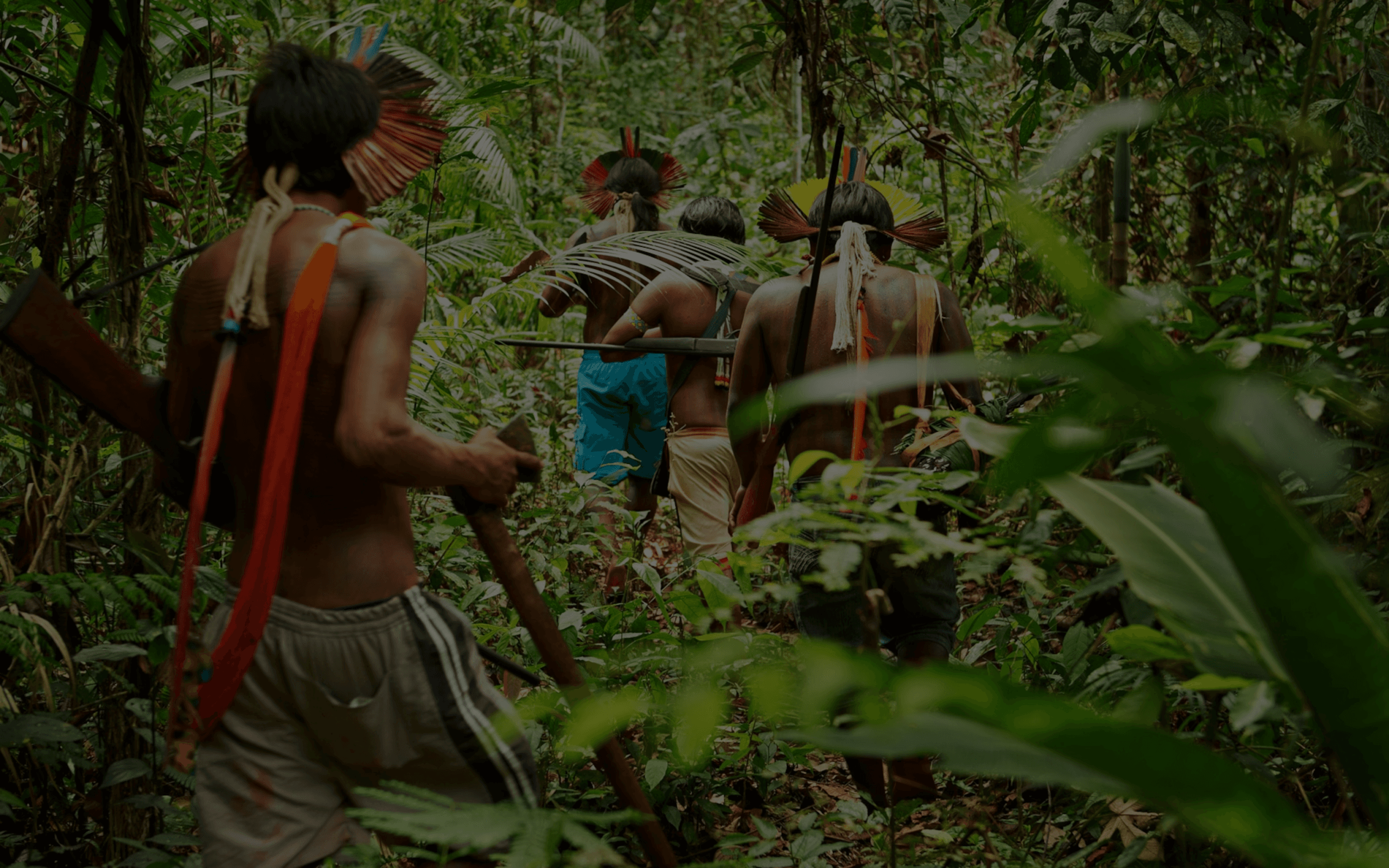
...is protected by Indigenous peoples around the world!
So, how biodiverse is the Amazon, and how much of that biodiversity do Indigenous peoples help protect?
These numbers show us the answer!
16,000
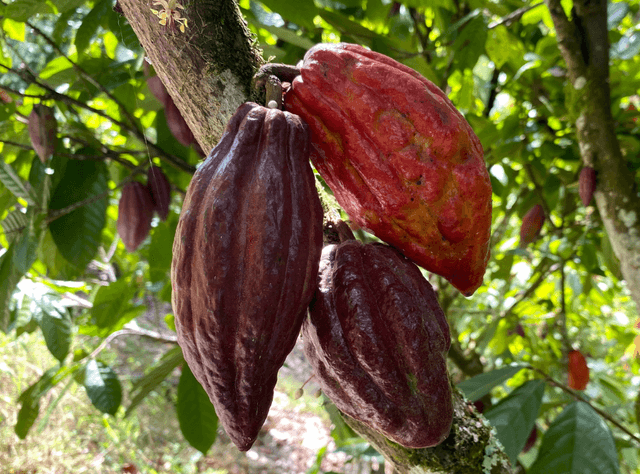
The Amazon rainforest is home to about 16,000 tree species. It has 16 times more types of trees than the United States!
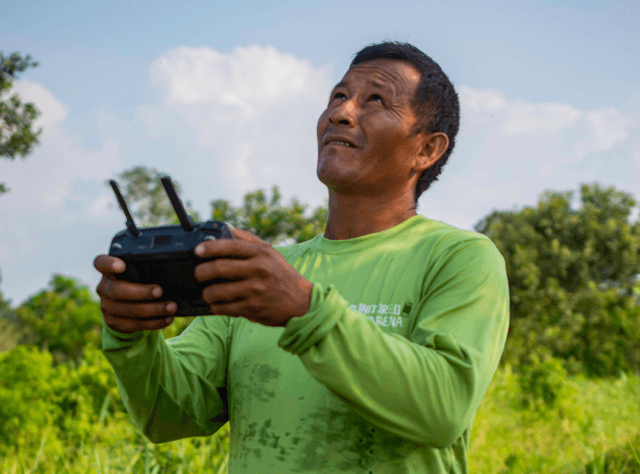
80%
Indigenous peoples’ lands hold 80% of Earth’s biodiversity. This means Indigenous peoples are among the most important guardians of nature on our planet.
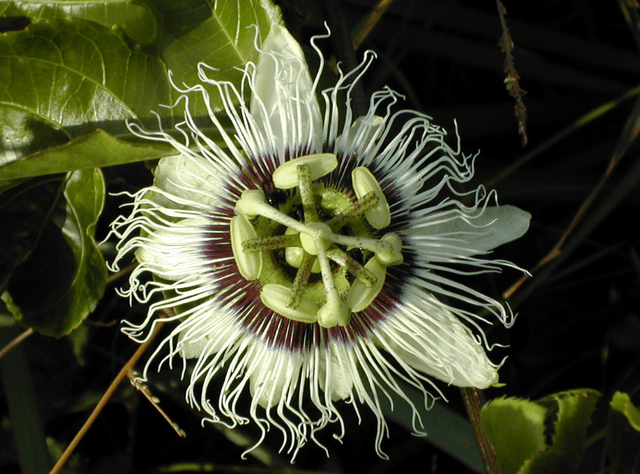
10%
The Amazon Rainforest is home to 1 out of every 10 (10%) known species on Earth.
50%
Rainforests cover only about 6% of Earth’s land, but they are home to around half (50%) of all known species that live on land.
Biodiversity in the Amazon is so important, but it is under threat!
Play the memory game to meet the animals that live in the Amazon
Memory Game
What do you think happens to animals when the rainforest disappears?
Indigenous peoples have spent thousands of years learning about all the animals and plants in the rainforest. They’ve passed down their knowledge and traditions to keep the forest in balance.
And people around the world need healthy rainforests just as much as my friends and I do!
Plants and animals are interconnected. They have unique roles in ecosystems, and they need each other to survive.

What are the two major threats to the Amazon?
Click on the box with the right answer.
Right now, the Amazon is in danger from two major threats.
and
- biodiversity
- deforestation
- climate change
- Indigenous peoples
Not sure what "climate change" and "deforestation" are?
Let's take a deeper look!
What is climate change?
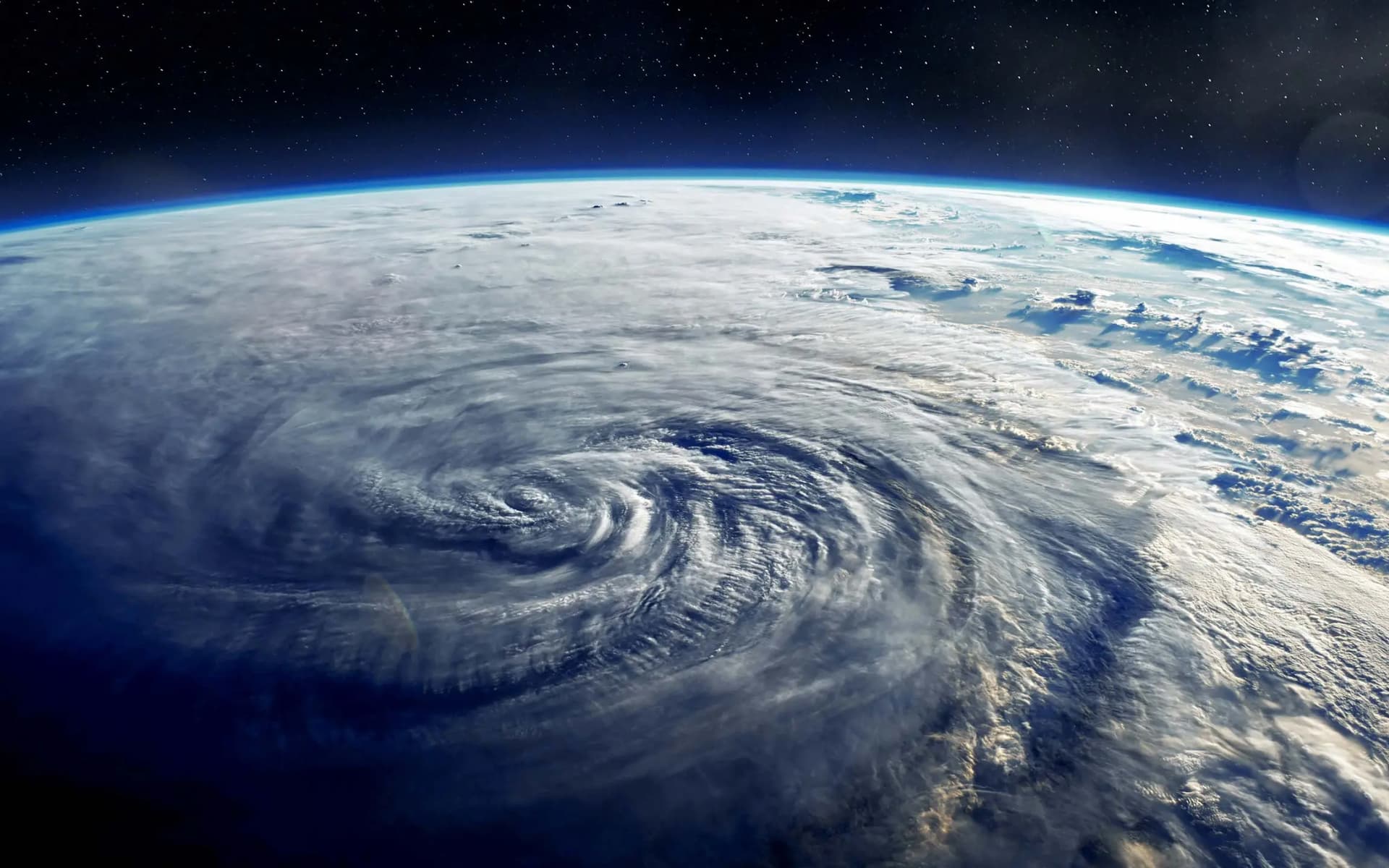
When people burn fossil fuels like oil and coal, they release greenhouse gases like carbon dioxide (CO₂) into the air. Trees also release CO₂ when they are burned or cut down. These gases trap heat from the sun, making the Earth warmer. A warm planet is important for life, but too many greenhouse gases make the Earth too hot, change its climate, and put all living things at risk.
Below are some of the major sources of greenhouse gas emissions.
🆘
Climate change is very dangerous. It makes the seas rise, storms stronger, and causes floods and droughts around the world.
Fortunately, the rainforest helps protect our planet’s climate. Its trees absorb greenhouse gases from the air, keeping Earth cooler and healthier.
Scientists have found that if large parts of the Amazon were cut down, it could lead to less rain in places like California and the western U.S., making it harder to grow food!
What happens in the rainforest affects the rest of the world!
Rainforests are under threat..
Click on the pictures to learn if they affect the Amazon rainforest positively or negatively.
Why do rainforests burn?
Rainforests are typically very wet, and they don't usually catch fire on their own. Most fires in the Amazon today are caused by people, especially when forests are cut down for farming or cattle ranching. Drought can also make fires spread more easily.
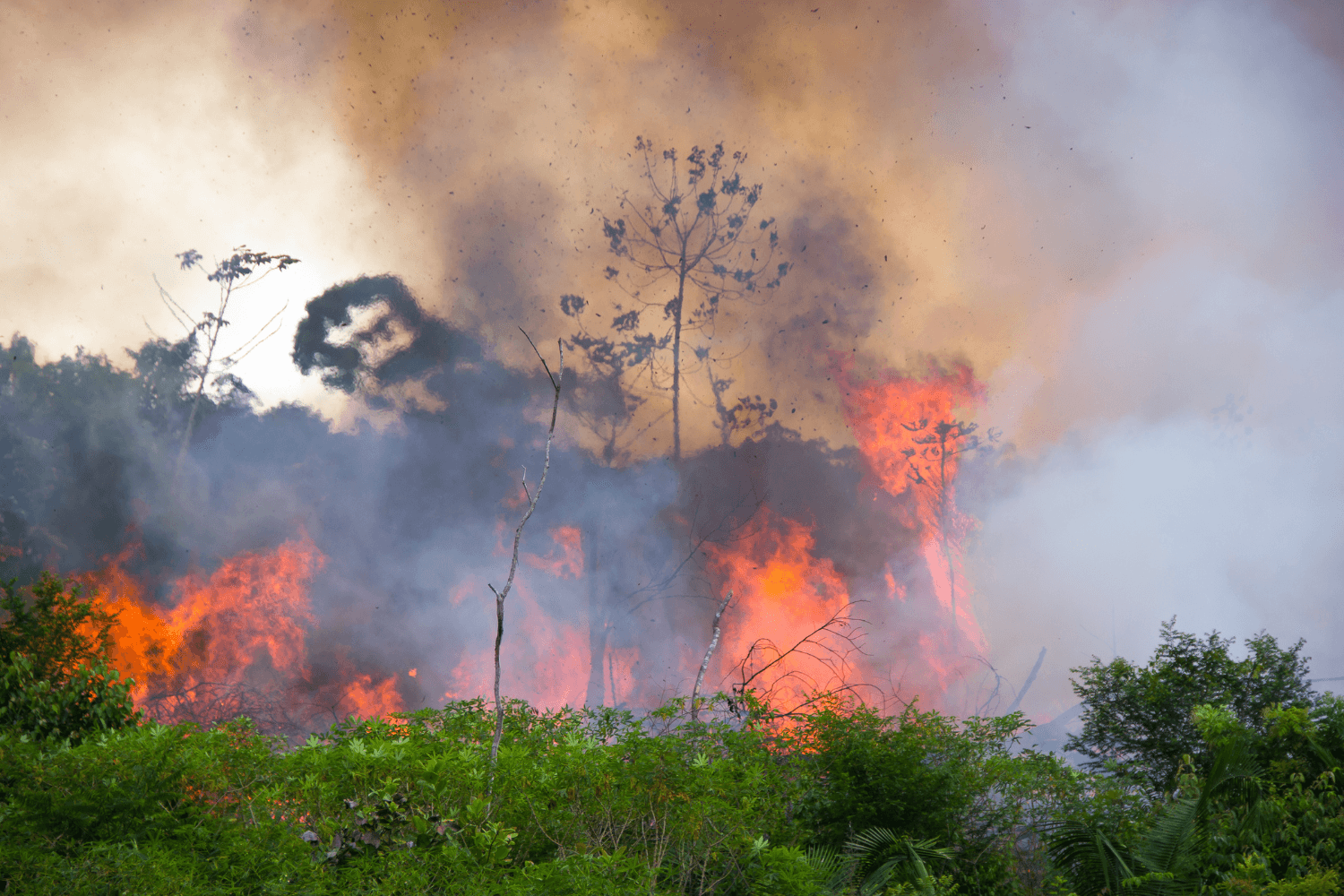
Healthy rainforests don’t burn!
Indigenous peoples are some of the best rainforest protectors. Securing their rights to their lands is one of the best ways to protect the Amazon.
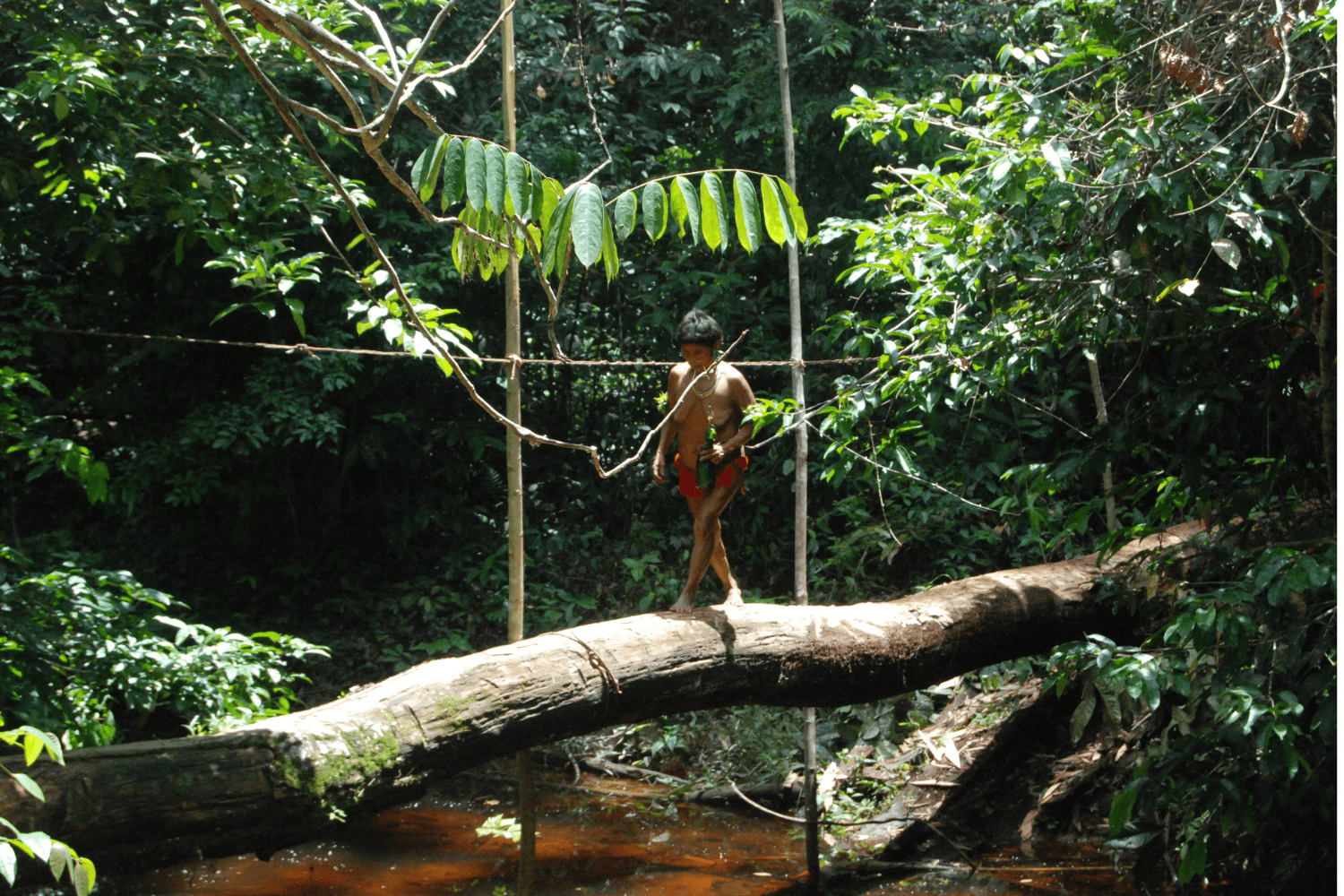
Fill in the blanks to finish the following sentences correctly.
Climate change and deforestation
major, human-caused
threats to the Amazon.
- are
- are not
Indigenous peoples sure do a lot to protect the rainforest! If they already have solutions, why do they work with Rainforest Foundation US?
Before we can answer this question, we have to understand what everyday life in the Amazon rainforest is like!